A strong WordPress website rarely begins with a generic theme. The brands that win, especially in competitive local markets, start with niche-specific templates that match how their customers search, browse, and buy. A restaurant needs lightning-fast menu access and reservation flows. A law firm needs trust signals, bios with credentials, and structured intake forms. An ecommerce shop needs blazing product filters, clean checkout, and schema that feeds Google Shopping. The template sets the structure, but the real advantage comes from a web designer who shapes it to the realities of the business, region, and search intent.
Over the last decade building sites for local service companies, hospitals, higher-ed programs, and retail, I’ve learned that the quickest way to ruin a promising build is to chase aesthetics before workflows. Templates are the scaffolding for those workflows. The right WordPress web designer can choose, adapt, or build from scratch with just enough customization to preserve performance and maintainability. Too much from-scratch design, and you blow the budget and timeline. Too little customization, and your brand feels forgettable, which hurts conversion and SEO. The balance is the craft.
Why niche-specific templates outperform generic themes
When people search, they bring context. Someone searching “emergency plumber near me” at 11:30 pm wants a phone number and a guarantee, not a slider and a poetic headline. Niche templates bake in that context. They prioritize the patterns that historically convert in that sector, so you’re not reinventing the wheel.
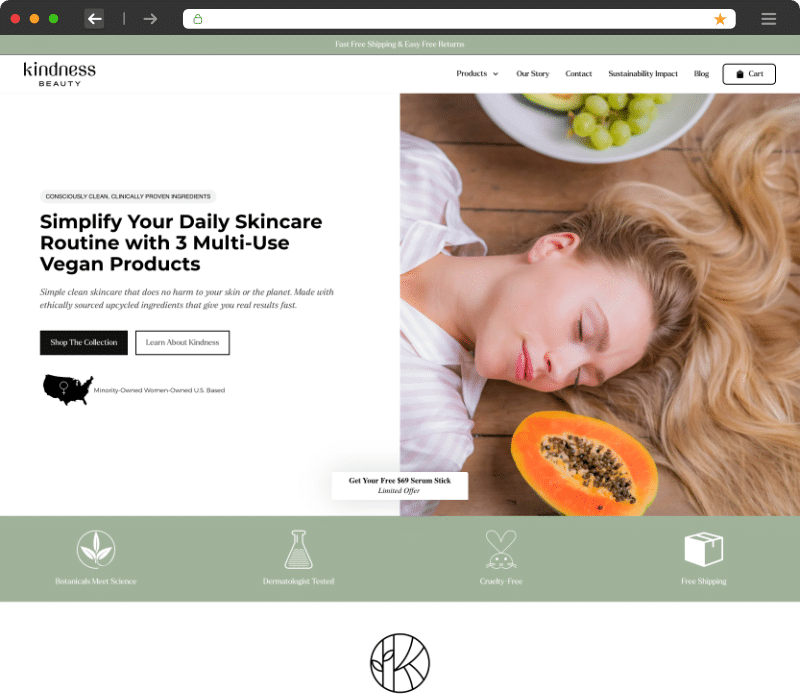
A niche WordPress web design company will already know the weak points: restaurant sites launch without structured menu markup and miss Google’s “Menu” display, real estate sites have property cards that load too slowly, medical practices forget HIPAA-safe intake flows, and SaaS sites bury pricing behind too many clicks. A niche-specific starting point avoids those traps. It also means plugins are vetted for your use case, and the template ships with the right fields, blocks, and taxonomies.
The SEO ripple effects are real. Conversion-friendly structure lowers bounce and raises dwell time, which, paired with technically clean pages, feeds more positive signals to search engines. A site that anticipates user intent often lowers the number of pages needed to reach an action, and that clarity impacts rankings for terms from “web design northampton” to “best pediatric dentist in Massachusetts.”
How a WordPress web design company evaluates a template
The prettiest demo site tells you almost nothing about maintainability. Designers who do this for a living look elsewhere first. We worry about the parts you can’t see at launch: schema flexibility, block architecture, how styles cascade across devices, and whether the theme plays nicely with enterprise plugins.
Here is a concise checklist I use before I touch a theme or a niche template:
- Code quality and longevity: Gutenberg-first block patterns, minimal reliance on page-builder bloat, clean theme.json, and child-theme readiness. Performance baseline: no CLS ghosts, minimal render-blocking resources, starter scores of 85+ on mobile Lighthouse without CDN tricks. SEO scaffolding: native schema support or easy hook points, control over title/meta, logical heading hierarchy in templates. Accessibility: focus states visible, color contrast ratios passing WCAG AA, keyboard navigability, ARIA where needed but not sprinkled like confetti. Editorial ergonomics: custom post types and fields mapped to how the business operates, intuitive editing experience for non-technical staff.
This is where a professional web design company earns its fee. We prove restraint. We pick the simplest tool that does the job, then remove anything that doesn’t serve speed, clarity, or conversion.
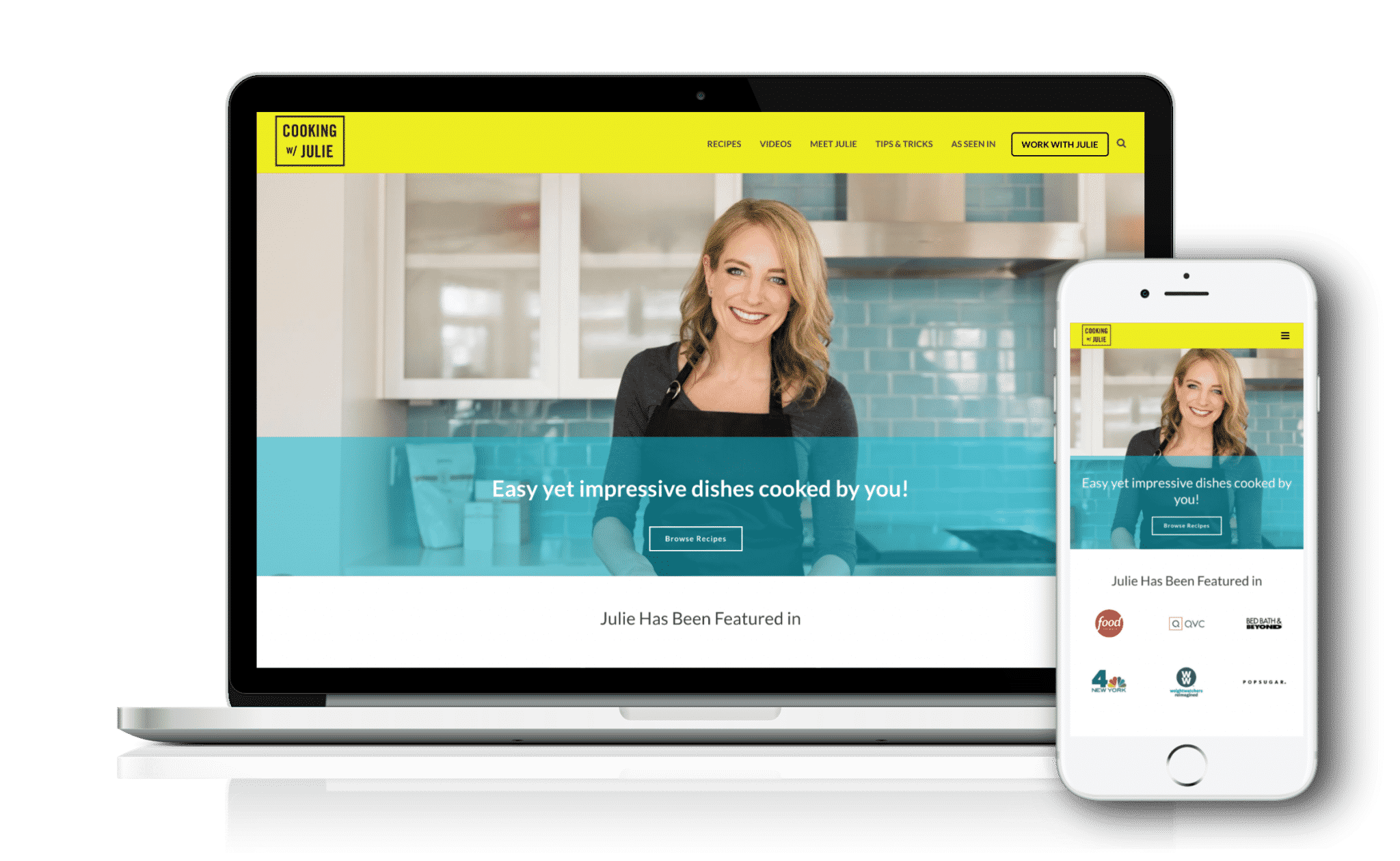
Examples of niche-specific WordPress templates and what to adapt
I’ll walk through several common verticals a WordPress web design company handles and the practical tweaks that move the needle. These are patterns we deploy for clients in New England towns and larger metro areas, including Northampton and communities across Massachusetts.
Restaurants, breweries, and cafes
The most common mistake is making the menu a PDF afterthought. Searchers want to skim quickly and decide. Local SEO wants structured data.
Build a “Menu Item” custom post type with taxonomy for categories like Starters or Vegetarian. Add fields for price, dietary flags, and availability. Mark up the template with schema.org/Menu and MenuSection. On the front end, use a tabbed layout that snaps on mobile and doesn’t rely on heavy JS. For reservations, integrate OpenTable or a lightweight form that syncs to the POS if possible. Hours, location, and a click-to-call button belong above the fold for mobile visitors.
We’ve watched average time-to-first-bite decrease by a week when users can add catering orders through a clear flow. That matters. One Northampton cafe saw a 28 percent lift in organic traffic after replacing a PDF menu with structured menu pages and photo galleries compressed to WebP.
Professional services and law firms
Trust drives conversion. Template blocks should foreground bios with credentials, logos of associations, and recognizable review platforms. Intake forms need conditional logic so people can quickly self-route. Add appointment booking to shorten time-to-contact.
For SEO, build out practice area silos. Each silo gets a hub page and subpages for specific matters. Use FAQ blocks with schema about common questions. Avoid legalese in headers, keep it in body copy where it belongs. Track phone calls from each practice area using pooled numbers to let you see which pages assist most.
A small firm that shifted to a practice-area template and refined CTAs saw their consultation requests double without increasing ad spend. The change wasn’t dramatic visually, but it aligned structure with searcher psychology.
Healthcare and wellness
Accessibility and privacy come first. Forms that touch PHI should route to compliant systems, not general email. Navigation needs to prioritize “Find a provider,” “Services,” and “Patient portal.” The template should include ADA-friendly font sizes and lab-tested color contrasts.
Use location schema for each practice site and physician schema for provider profiles. Patients often search by symptom plus city. Build condition pages and map them to services, then link them to provider bios to create a mesh of relevance. Keep load times tight, especially on mobile networks near hospitals.
We saw a 20 to 30 percent reduction in call center load by implementing smart content blocks for pre-visit instructions and insurance FAQs, surfaced contextually on service pages.
Real estate and property management
Property grids have to be fast and filterable. Use server-side rendering for filters or a headless approach if inventory is heavy. Set up listing schema, open graph tags for shareable cards, and clean URL structures for neighborhoods. Floor plan PDFs should be transformed into images with alt text for scanning users.
On the property manager side, residents look for maintenance portals and policies, not marketing fluff. Make those two clicks, tops. Use geotargeted landing pages for key towns. Northampton renters, for instance, often search by neighborhood vibe and walkability. Your template should support neighborhood pages with custom fields for schools, transit, and local amenities.
Ecommerce and DTC brands
Speed is money. Choose a WooCommerce-ready template that respects caching layers and doesn’t inject risky scripts. Compress images aggressively, delay non-essential JS, and simplify above-the-fold content. Product pages should default to review snippets, structured data for pricing and availability, and sticky add-to-cart on mobile.
Category pages need smart facets that don’t nuke crawlability. Use server-readable parameters and canonicalization rules. Consider a “build-your-bundle” block to raise AOV. Shipping calculators that clarify costs before cart can cut abandonment.
One regional food brand saw a 14 percent conversion rate lift after we added a pack-size selector and refactored the gallery to load the first image at 60 to 80 kilobytes with AVIF fallback to WebP.
Higher education, nonprofits, and cultural institutions
Prospective students and donors behave differently. Students want programs, outcomes, and tuition transparency. Donors want impact stories and a frictionless giving form. Build two parallel journeys with shared design language but divergent CTAs and validation points.
For museums or theaters, events are core. Create a custom event post type with recurring rules, ticketing integration, and schema.org/Event. Ensure the template makes it easy to browse dates and categories. For nonprofits, pair program pages with simple success metrics and staff contacts to humanize the work. Tie case studies to donation pages with pre-filled amounts mapped to specific outcomes.
Northampton and Massachusetts specifics: local search, regional design cues
Massachusetts users skew impatient with slow sites. In Western Mass and especially Northampton, mobile access can vary in speed between neighborhoods. Trim assets ruthlessly. That alone can move rankings for “website design northampton” and “web design northampton” because Google’s mobile performance thresholds matter.
Regional trust markers help. If your business serves the Pioneer Valley, highlight local partnerships, press mentions, and community events. A niche WordPress web design company familiar with the region’s expectations will build pages that surface map embeds, parking information, and accessibility details up front. It’s small, but it respects the visitor and lowers friction.
For search, don’t stop at a single location page. Create robust city or town landing pages where you truly serve clients. An SEO company Massachusetts knows the difference between thin doorway pages and content with substance. Capture “northampton seo” by pairing case studies from local businesses with transparent methods. If you are a Web Design Company Massachusetts or Digital Marketing Massachusetts provider, weave real geographic context into service pages, not just footers. Showcase “web design company near me” relevance with a Google Business Profile fully optimized and consistent NAP details across citations.
Custom versus template: making the right call
Clients often ask whether to go fully custom. My answer hinges on the risk profile and the lifecycle costs.
Templates make sense when:
- You need a launch within 4 to 8 weeks, with a defined budget, and your workflows match common patterns in your niche.
Custom builds make sense when your business logic is unique, your brand demands interaction models not found in the wild, or you anticipate integrating complex systems such as ERPs, CRMs with custom objects, or HIPAA-compliant messaging layers. Even then, I often start from a lean base theme and assemble custom blocks. It keeps editing sane and update paths clear.
Avoid sinking budget into ornamental flourishes that no user needs. Put those dollars into performance, content, and analytics. That’s how you grow from a respectable web presence to the best web design company case studies you want to publish.
The SEO layer on niche templates
Design without SEO is a billboard in the woods. The architecture of a niche-specific template should serve search from day one. WordPress gives you a great base, but the difference between middling and excellent often comes from an SEO Expert who knows how to wire the pieces together.
Key moves that pay off:
- Information architecture that mirrors search demand, not internal org charts. Use search data to structure navigation and hub pages. Schema across templates: Organization, LocalBusiness, Product, Service, FAQ, Article, Event. Keep it valid and specific. Performance budgets. Each template should ship with a target: sub-2.5 seconds Largest Contentful Paint on 4G mobile, minimal layout shift, and efficient caching. Internal linking patterns that reinforce topics. Use related content blocks based on taxonomy or manual curation to push link equity where it matters. Media discipline. Name files descriptively, use alt text that informs, and apply modern formats. Don’t upload 5 MB hero images because they look pretty in Figma.
An integrated web design and SEO company can shorten the feedback loop. I’ve seen landing pages go from idea to indexed and converting within a week when content, design, and dev collaborate in the same workflow. For clients in Digital Marketing Massachusetts, that speed can make the difference during seasonal demand spikes.
Design systems in WordPress: block patterns, theme.json, and maintenance
Gutenberg changed how we think about templates. The best WordPress web development approach today treats theme.json as a source of truth for spacing, color, and typography. Block patterns become reusable building units, not one-off designs. For a web design and development company, that means you can strike a solid Digital Marketing balance between brand consistency and editorial freedom.
Create a library of patterns: hero with split media, stat bar, card grid, testimonial slider with text fallback, process timeline, pricing table. Make them accessible, lightweight, and tested on low-end Android devices. Lock what you must, but leave room for content managers to assemble pages without calling the web designer for every new section. That lowers total cost of ownership.
Security and updates should be baked in. Limit plugins to the smallest viable set. I aim for under 20 active plugins on most installs, fewer when possible. Keep a staging environment and a predictable release cadence. If your site carries ecommerce or sensitive forms, put a Web Application Firewall in front and monitor for vulnerabilities.
Analytics and feedback loops: how to improve after launch
A professional web design company doesn’t disappear after go-live. That’s when the real work begins. Treat the site like a product, with goals, experiments, and reviews.
At minimum, instrument:
- First paint, LCP, and CLS in the field via RUM tools. Conversion funnels for the top three actions. Scroll depth and link interactions on content-heavy pages. Phone call tracking for service businesses. Internal search queries if you have a site search.
Run quarterly audits for SEO, accessibility, and performance. Have a kill list of components that underperform and a wish list of new patterns to test. For clients in digital marketing northampton or across the state, combine ad data with on-site behavior. A small change to a hero block’s copy can outperform a thousand-dollar PPC tweak when the message matches the way locals talk.
When you need a specialized partner
If you operate an ecommerce brand, an ecommerce web design company with deep WooCommerce experience will spot pitfalls a generalist misses. Subscription logic, tax rules in Massachusetts, and complex shipping zones are not footnotes. For multi-location service brands, a seo web design company with location-page playbooks and reputation management proficiency is essential. A custom web design company matters if your brand demands bold, differentiated experiences, but ensure they can deliver performance and SEO basics as fluently as aesthetics.
For many organizations, the best path is a professional web design company that offers an integrated stack: strategy, WordPress web design, WordPress web development, and search optimization. When a web design services company sits under the same roof as a search team, you avoid the blame game between vendors and keep timelines compact. If you are hunting “web design company near me” in Western Mass, check portfolios that include website design northampton, and ask about measurable outcomes, not just pretty pictures.
A practical build path that respects budget and results
Here’s a lean process we use for niche-specific WordPress builds that balances speed with quality:
Discovery with data. Interview stakeholders, review analytics, extract queries from Search Console, and map competitive gaps. For businesses targeting SEO company Massachusetts terms, we pair statewide demand with local long-tail opportunities.
Template selection or base theme. Choose a niche template if it fits 70 percent of needs. Otherwise, a stable base theme with custom block patterns. Decide early how much custom design you truly need.
Content and IA. Draft key pages first: home, top service or product hubs, and conversion flows. Write for people, structure for search. Build a content calendar that supports long-tail queries.
Design system. Lock styles in theme.json, build the first set of patterns, and test them with real content. Keep components minimal.
Radiant Elephant web design and development companyDevelopment. Assemble templates, wire schema, optimize assets, and integrate forms or ecommerce. Establish performance budgets and enforce them.
QA and accessibility. Test across modern browsers and low-end devices. Audit for WCAG AA, fix color, focus, and keyboard traps.
Launch and measure. Deploy with redirects, sitemaps, and monitoring. Review initial data after one to two weeks, then set a 90-day improvement plan.
This rhythm works for a solo WordPress web designer or a larger wordpress web design company. The team size matters less than the discipline to say no to bloat and yes to clarity.
Common pitfalls and how to avoid them
Over-reliance on page builders. They promise speed but often add weight. If you must use one, disable unused modules, strip animations, and enforce a component library.
Ignoring images. Uncompressed hero images destroy LCP. Use AVIF or WebP, set width and height, and lazy load responsibly.
Thin local pages. Doorway pages hurt more than help. Write real content that mentions neighborhoods, landmarks, and service specifics. For northampton seo, include local case studies and community ties.
Form friction. If half your leads come from mobile, keep forms tight. Use conditional fields, progressive disclosure, and single-column layouts.
Unclear ownership. Post-launch, someone must own updates, backups, and content. If your team lacks capacity, retain a web design and seo company for a light monthly plan.
The quiet power of restraint
Niche-specific templates succeed when you use them as a strong backbone, not a style cage. Keep the parts that help users act, remove anything that slows them down, and tune the details for your market. A law firm’s confidence comes from testimonials and outcomes, not a parallax scroll. A retailer’s sales come from clarity and speed, not a novel hover effect.
If you are choosing partners, look for a wordpress web design company that speaks plainly about trade-offs, shows sites that load fast on a weak signal, and proves they can tie design decisions to business results. Whether you are a nonprofit on a tight grant timeline, a retail brand scaling ecommerce, or a local service provider competing for “web design and development company” or “web design and seo company” style visibility, the path is the same: structure first, speed next, and substance always.
Templates are the starting line, not the finish. The finish is a site that your customers can use easily, that search engines can understand, and that your team can maintain without dread. Do that, and you won’t need to chase trends. Your site will simply work, and the numbers will show it.
Radiant Elephant 35 State Street Northampton, MA 01060 +14132995300